

Engineering-led tooling, molding, automation, and operations for critical programs
Uniphase is the engineering-led partner for OEMs who require single-source responsibility for tooling, molding, automation, and ongoing production support. Our role is to take demanding programs from DFM, mold build, launch, transfer, or recovery into stable production with the right combination of process development, certified operations, and lifecycle support inside one integrated system.
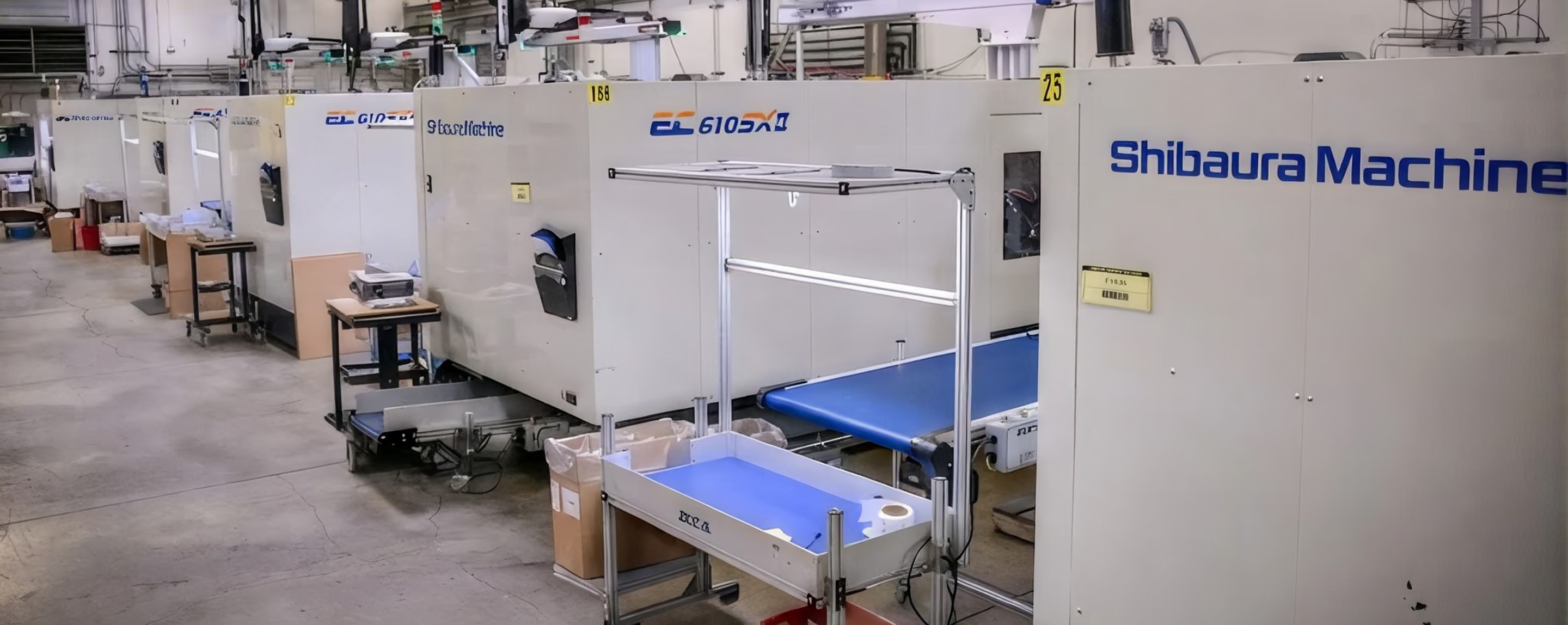
Validated tooling, molding, automation, and lifecycle support
We design, build, validate, and run complex tooling, molding and automation systems for medical, food and beverage, CPG, and industrial programs where process windows are tight and the cost of disruption is high. We lead with engineering, process discipline, and the operational systems required to support critical programs over time.
Our teams combine scientific molding methods, process development, automation thinking, and certified operations so programs can move from build, transfer or recovery into reliable day-to-day production. The goal is not simply to get to first article; it is to build a process that performs under real production conditions and stays under control as requirements evolve.
Scientific Molding and Process Development
Uniphase applies scientific molding and disciplined process development to create repeatable, validated manufacturing processes for demanding parts and assemblies. Launch and optimization are approached through engineering rigor, using data, DOE, and production process understanding to reduce guesswork and improve confidence in production.
This capability matters most when customers face complex programs that require tight tolerances, engineering grade materials, and challenging geometries. For OEM teams, that means fewer surprises during validation, fewer late-stage process adjustments, and a stronger foundation for long-term performance.
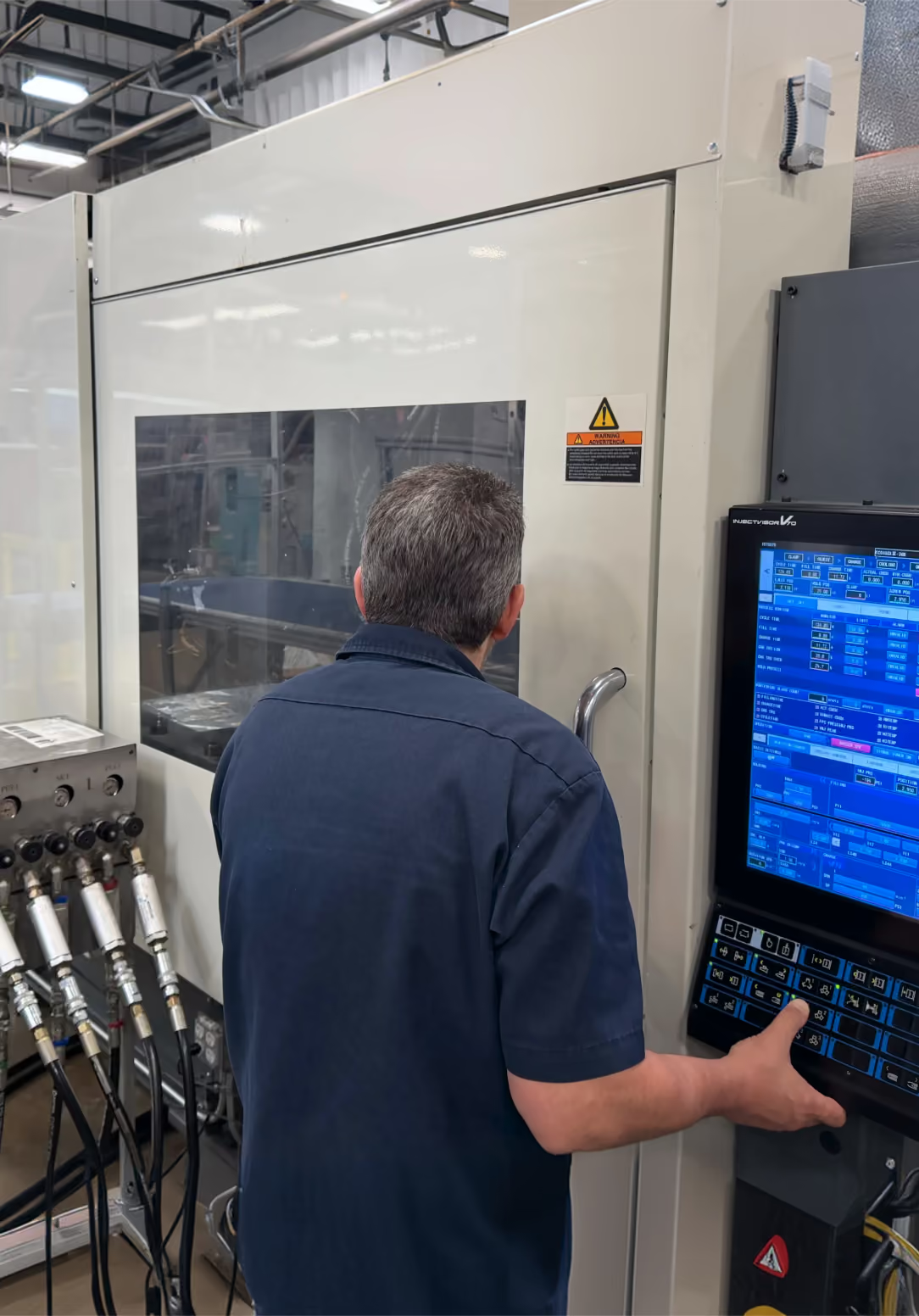
Precision Injection Molding
We support precision injection molding across a broad range of programs, from early developmental prototypes to high-volume production. Our molding environment is designed for programs where consistency and quality matter and where production must perform over time.
This is especially valuable for medical, food and beverage, CPG, and industrial applications in which dimensional repeatability, process control, and supply continuity directly affect the business case. Uniphase is positioned as the front door for OEMs that need validated molding backed by a strong engineering operation and, when needed, connection to a complete concept-to-market path – not just a shop that can run parts.
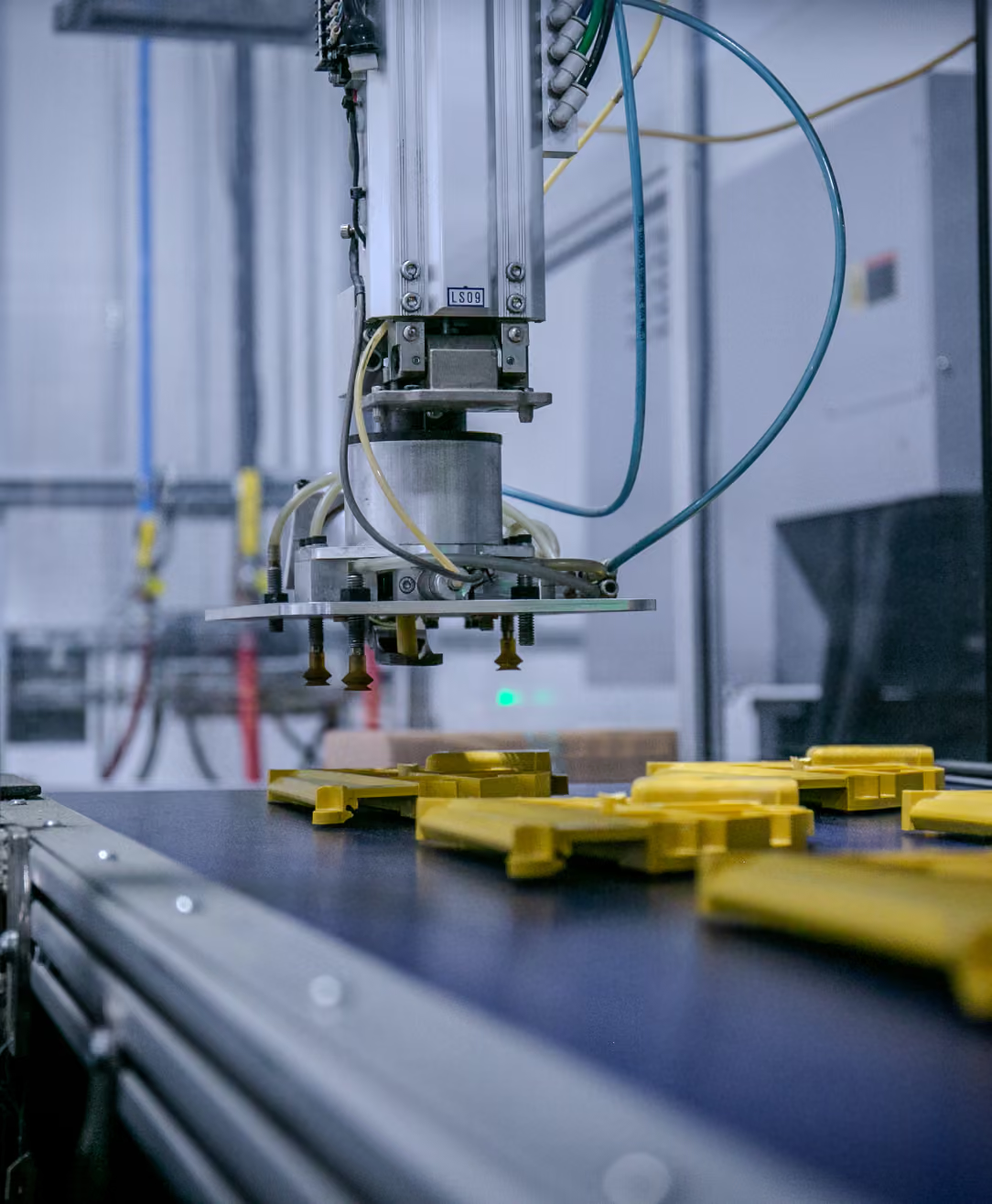
Overmolding, Insert Molding, and Complex Part Execution
Uniphase supports more complex molding approaches such as overmolding and insert molding. These programs demand careful attention to process design, repeatability, and how the molded component will behave in the end application.
Additionally, we offer a full array of finishing services including assembly, inline decoration, kitting, heat staking, ultrasonic welding, and more.
Our focus is on translating complexity into robust, manufacturable production processes. That includes thinking beyond molding and considers how tooling, automation, inspection, and lifecycle maintenance all support performance over time.
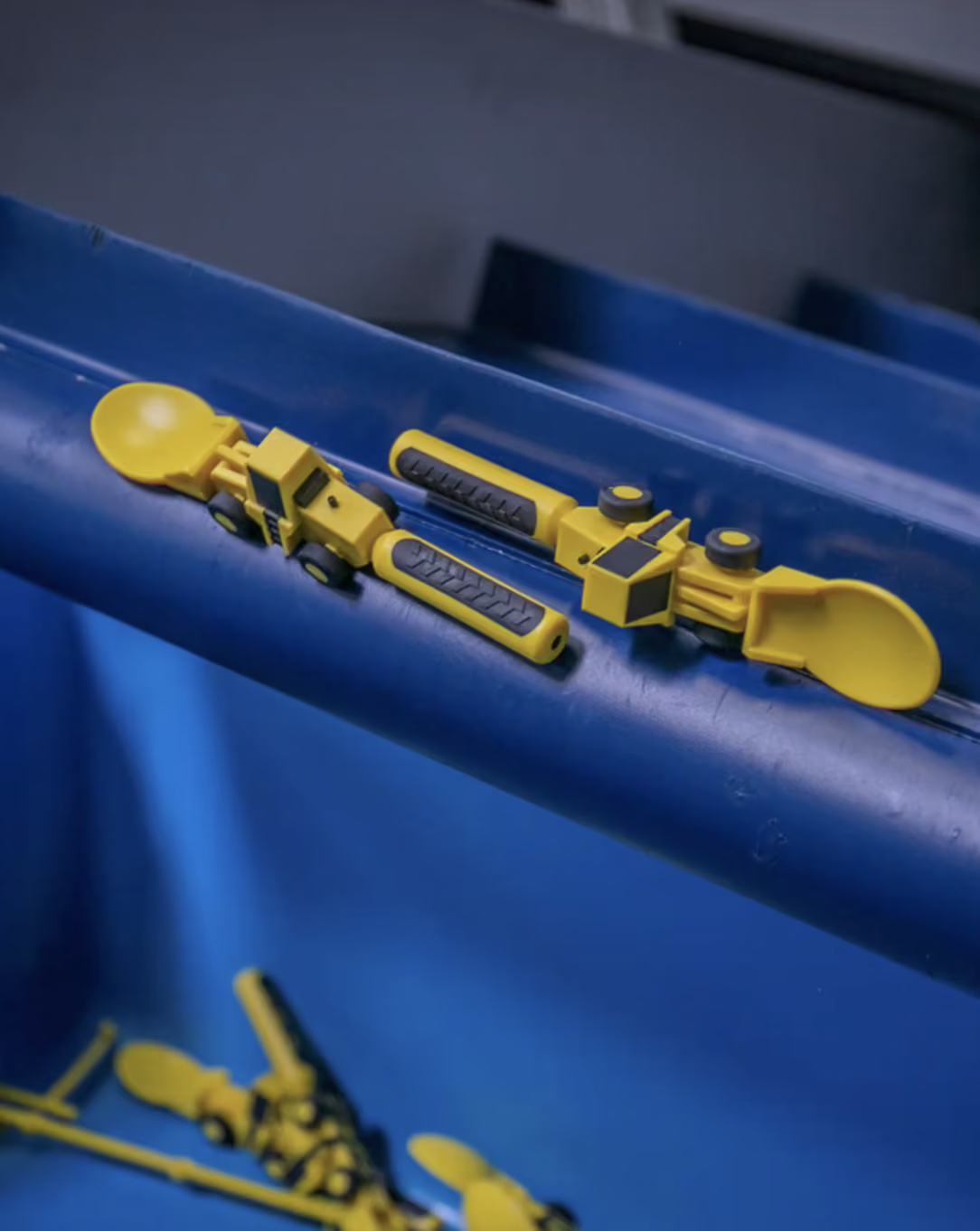
Automation and End-of-Line Systems
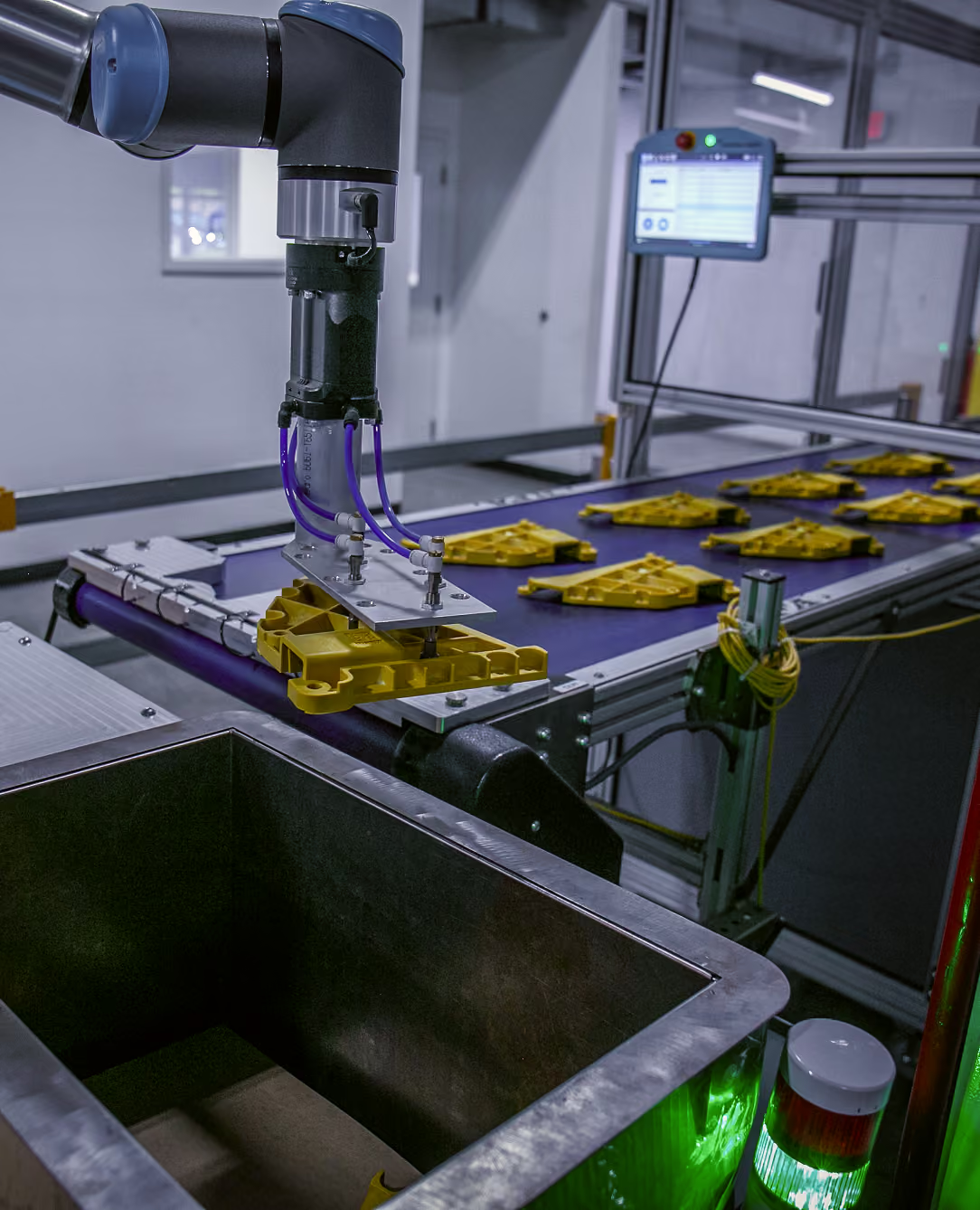
Uniphase designs, builds and integrates automation and end-of-line systems during the initial design, launch or transfer process to protect speed, labor efficiency, process stability, and quality outcomes. Automation is not treated as an add-on; it is engineered as part of the full production system so the line can support volume, consistency, and control.
For OEMs, that means better alignment between tool design, molding, inspection requirements, and downstream handling. In many programs, automation is what allows quality expectations and business economics to work together rather than compete with each other.
Production Optimization and Cost-Per-Unit Reduction
Uniphase approaches production optimization and cost-per-unit the same way it approaches quality and uptime: as an engineering challenge, not just a purchasing target. By tightening process windows, improving cavitation balance, reducing scrap, and engineering automation that protects labor and consistency, we help OEMs move from “fighting fires” on the plant floor to a more stable, predictable cost structure over the life of the program.
In many transfer and rescue programs, the biggest wins come from a combination of process development, smarter maintenance, and targeted automation—not from squeezing suppliers on price. Uniphase focuses on finding and eliminating the sources of variation that actually drive cost-per-unit, so critical medical, food and beverage, CPG, and industrial programs support their business cases without sacrificing quality or supply continuity.
Transfer and Rescue Programs
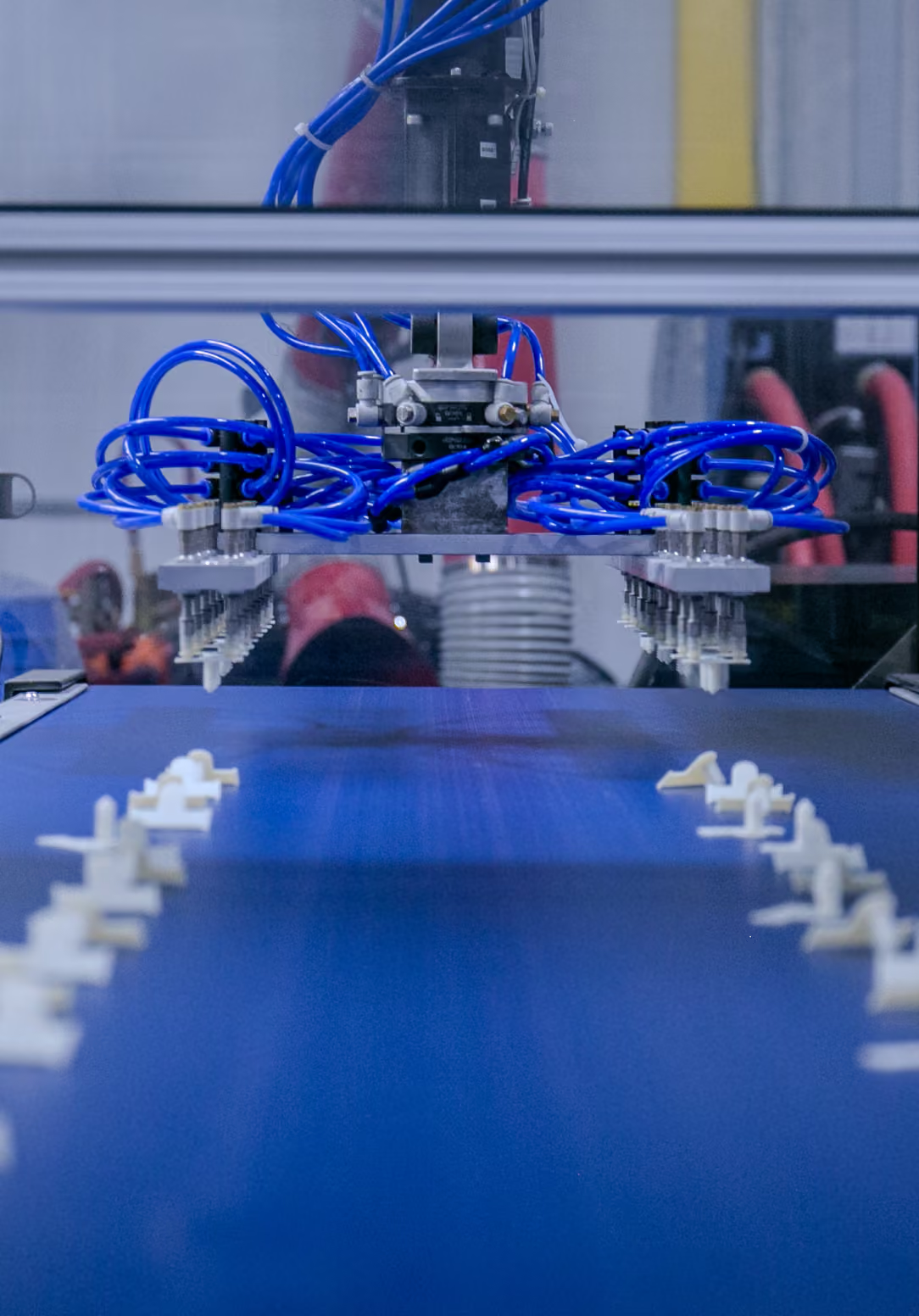
A meaningful part of Uniphase’s value is helping customers stabilize underperforming programs. That includes transfer and rescue situations where a supplier transition, process instability, scrap and downtime problems, or cost-per-unit pressure has put continuity at risk.
In these situations, the work is not only about taking over production. It is about diagnosing what is breaking down, rebuilding process discipline, and creating a more reliable operating state that protects supply and restores confidence. This is where engineering-led operations, lifecycle accountability, and access to an integrated tooling-through-production system become commercially meaningful.
Quality, Validation, and Audit Readiness
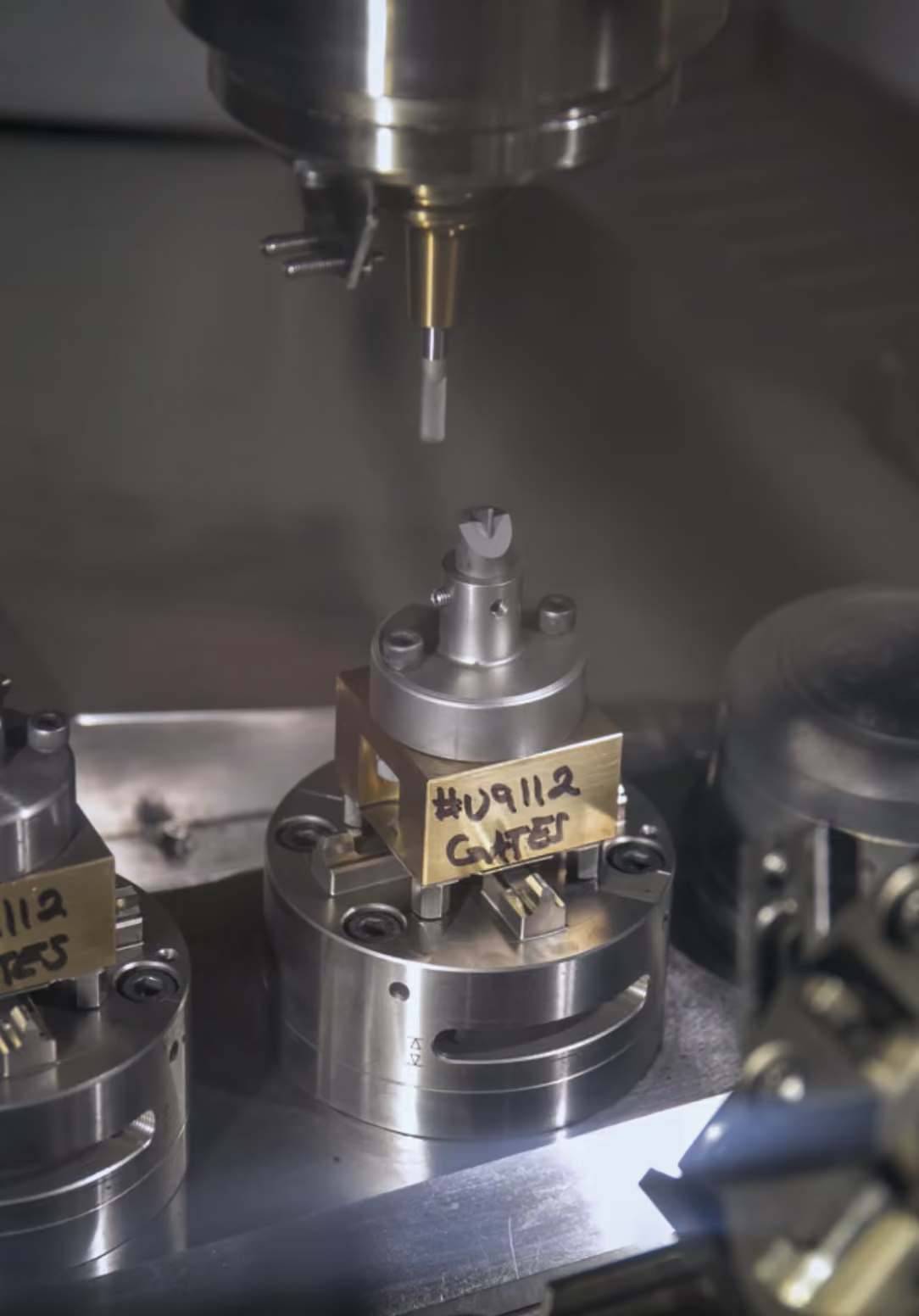
For programs operating under regulatory requirements, Uniphase supports the documentation, process discipline, and operational controls needed to help customers move into production with confidence. This includes the kind of engineering-led rigor that supports validation activity, change control, traceability, and audit readiness.
This capability matters most in medical, food and beverage, CPG, and other demanding applications where production success is measured not only by part output, but by how well the surrounding system can stand up to internal reviews, customer requirements, and external quality expectations. Uniphase’s role is to help customers build processes that are not only efficient, but documented, controlled, and sustainable over time.
- Medical, diagnostic, and dental programs with strong validation and documentation expectations
- Production environments that require disciplined change control and traceability
- OEM teams preparing for audits, supplier reviews, or broader quality-system scrutiny
Liquid Silicone Rubber
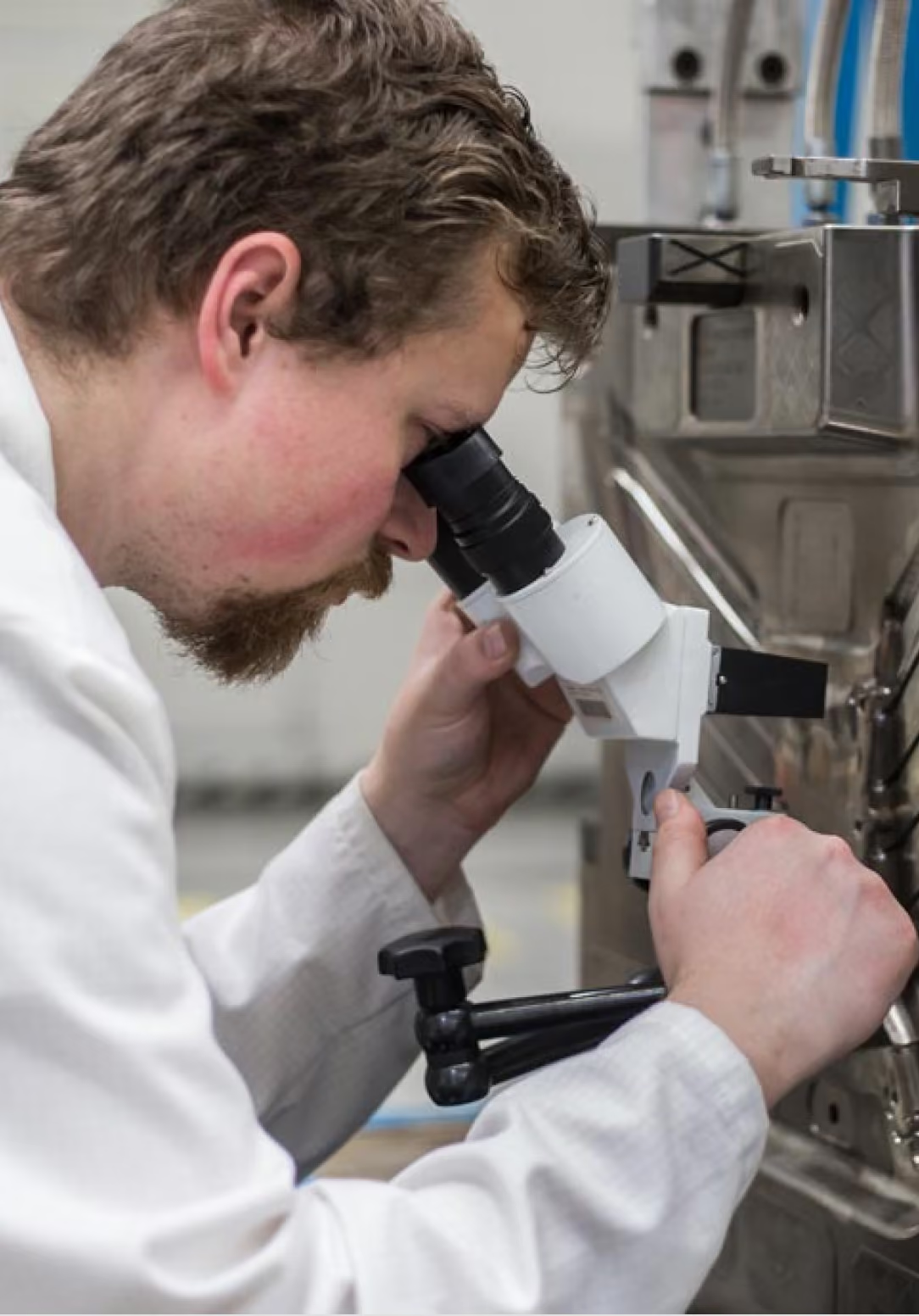
Uniphase’s capabilities extend into Liquid Silicone Rubber molding as part of a broader engineering-led production strategy. LSR programs often bring additional considerations around tool construction, material behavior, process control, part performance, and the wide range of environments in which the finished components will be used.
Within the Uniphase positioning, LSR should be understood as part of the company’s ability to support more specialized molding requirements when the program demands a higher level of engineering rigor and production discipline. As with other complex programs, the emphasis is not simply on running the material, but on creating a process that can perform repeatably, meet quality expectations, and support the needs of the end application over time.
- Medical and healthcare-related components where silicone performance characteristics are important
- Specialty industrial applications requiring material flexibility, durability, or environmental resistance
- Programs that benefit from closer coordination between tooling, molding, validation, and long-term process control

Your information is secure and will never be shared. Privacy Policy
Join Our Newsletter to Stay in Touch
Your information is secure and will never be shared. Privacy Policy