

Integrated plastics solutions from concept to market
For OEMs who want one complete solutions partner to take plastic molding programs from concept to market, Uniphase delivers design, prototyping, complex mold building, production molding, and automation under one integrated system.
Instead of stitching together a supply chain for product development, customers gain a single engineering-led path built to reduce speed to market and launch risk, strengthen accountability, and support long-term production performance.
ISO
13485:2016
ISO
9001:2015
SQF CERTIFICATION
Level 2
GMP
Certified
ISO
Class 8 Cleanroom
Integration is easy to talk about. Delivering it takes a deep set of capabilities.
Many plastics vendors describe themselves as integrated, but the reality is often a chain of handoffs: one partner for tooling, another for molding, another for automation, and no single team fully accountable for how the program performs once it is live.


Uniphase is built differently.
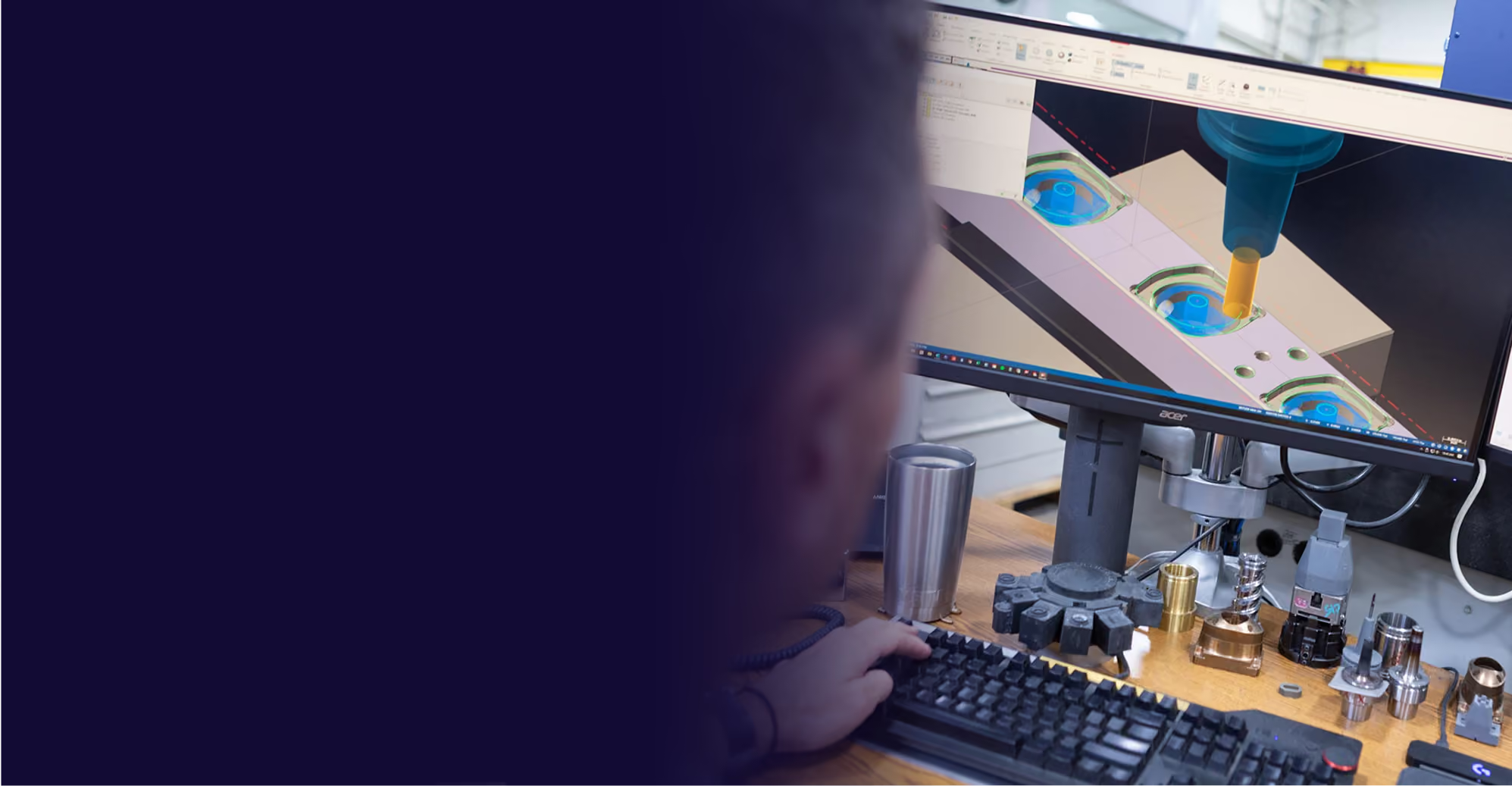
A well-established precision molder with tooling and automation excellence, Uniphase acquired Janler in 2024 to create deep bench strength in engineering and product development. With our combined team under the Uniphase umbrella, the company brings DFM, engineering, tooling, molding, automation, and operational discipline into one connected system for programs where quality, uptime, validation, and lifecycle performance all matter.
One engineering thread across the full lifecycle
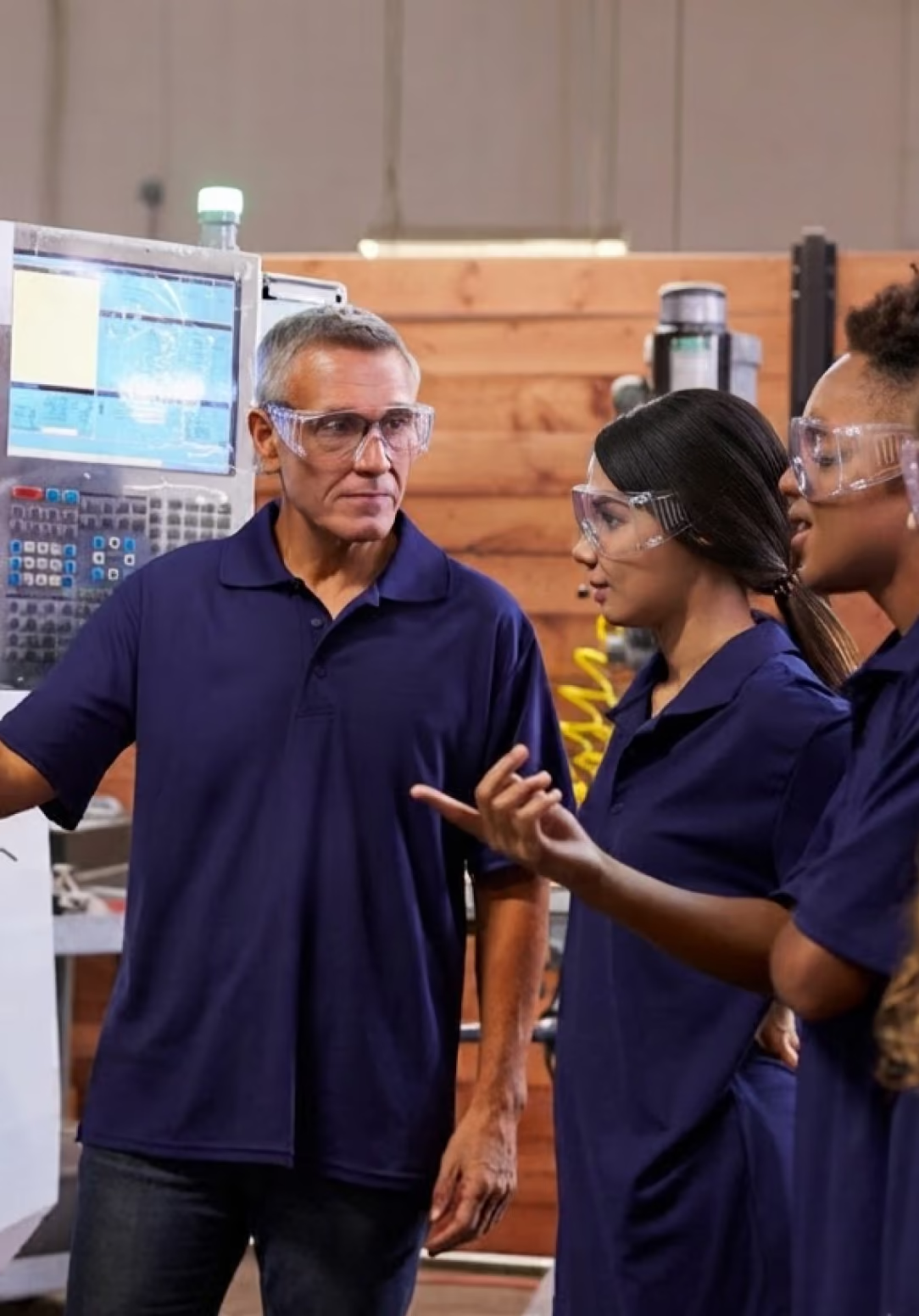
At Uniphase, integration is intentional. It is a continuous engineering thread that begins with product design and tooling decisions, then carries through process development and validation, and continues into day-to-day production, maintenance, and optimization.
That matters, because the success of a plastics program is rarely determined by one step alone. Tool design affects process capability. Process capability affects validation. Automation affects uptime, labor efficiency, and quality. Long-term maintenance affects asset performance: cost-per-unit, reliability, and tool longevity.
By connecting those decisions inside one system, Uniphase helps OEM teams reduce gaps that can appear between design intent, tooling execution, production reality, and long-term support.
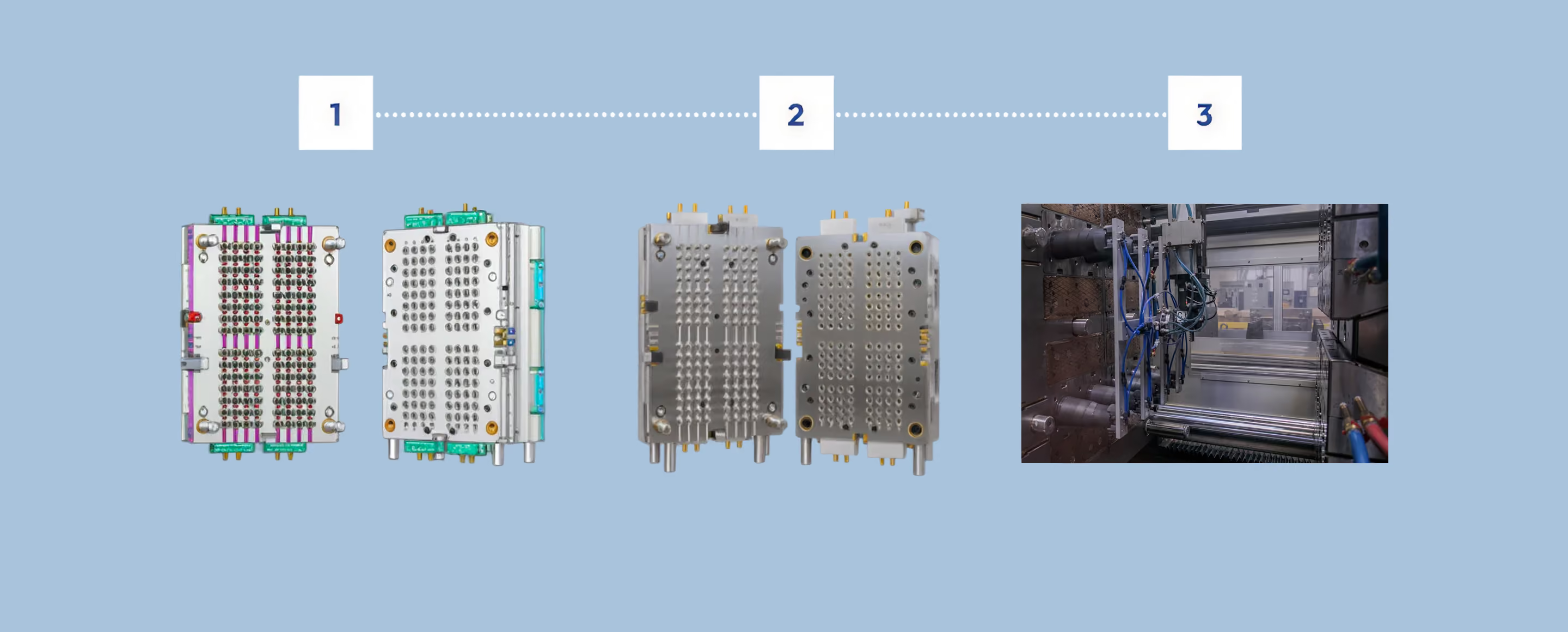
Built for end-to-end program execution
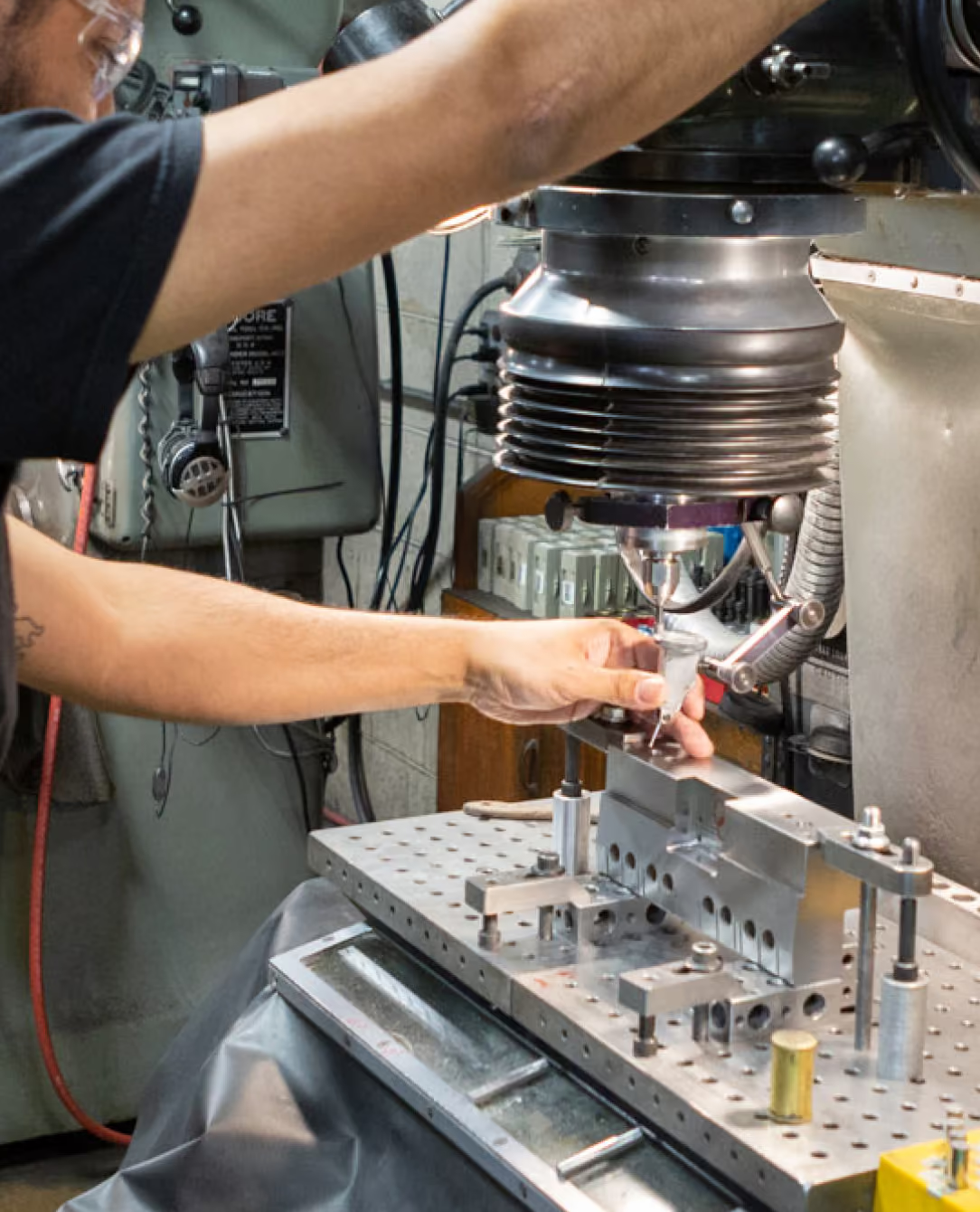
The complete solutions approach is strongest when a program needs more than isolated support at any one stage. It’s designed for end-to-end execution across early DFM work, simulation, tool development, molding, automation, validation, and sustained production support. This support extends to mold transfer programs and mold refurbishment programs of the most sophisticated nature.
Uniphase customers can bank on one thing--the program does not lose engineering intent as it moves from one phase to the next. The system is built so tooling decisions, process decisions, and production decisions stay aligned to reduce commercial execution risk and reduce time to market.
What integration looks like
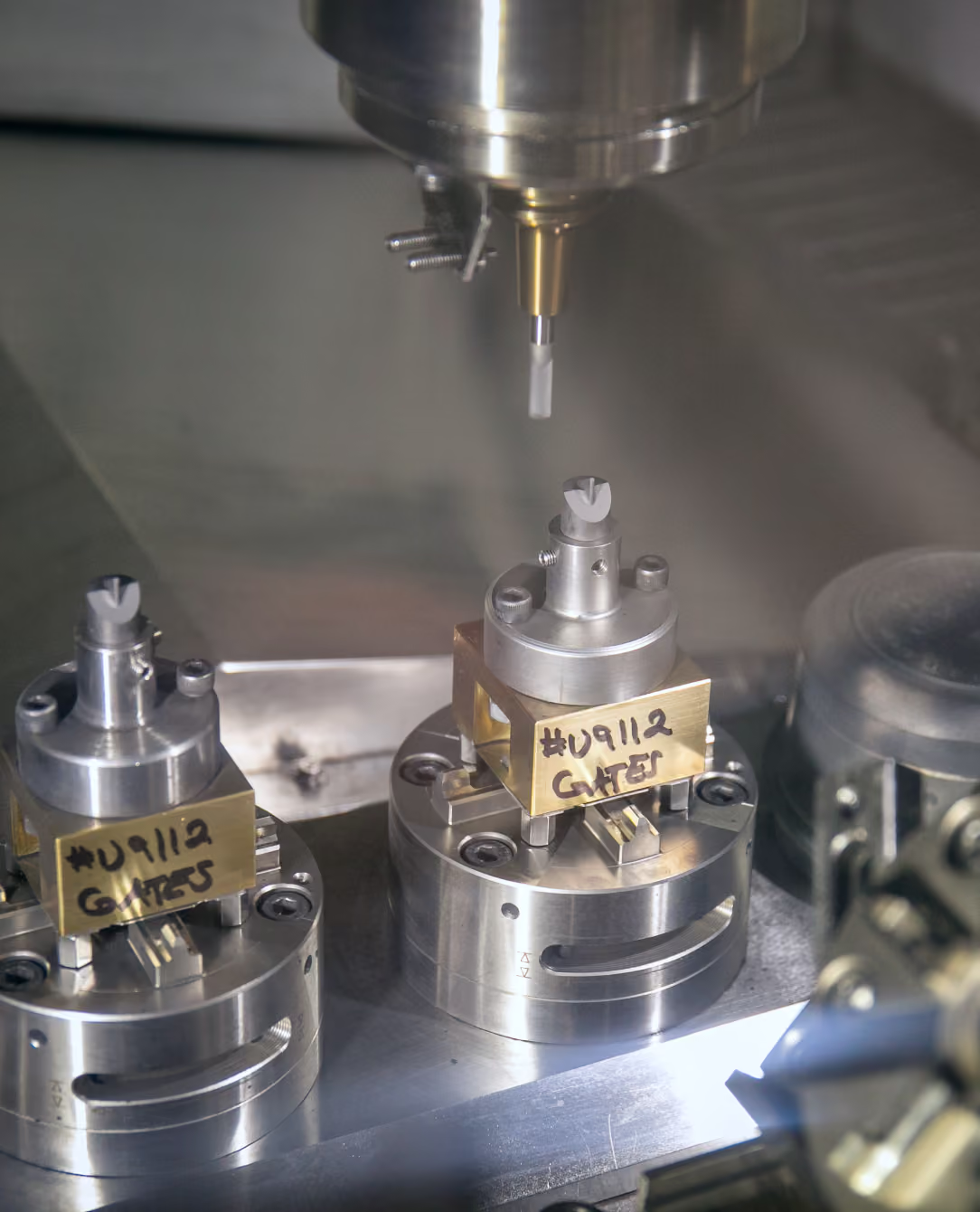
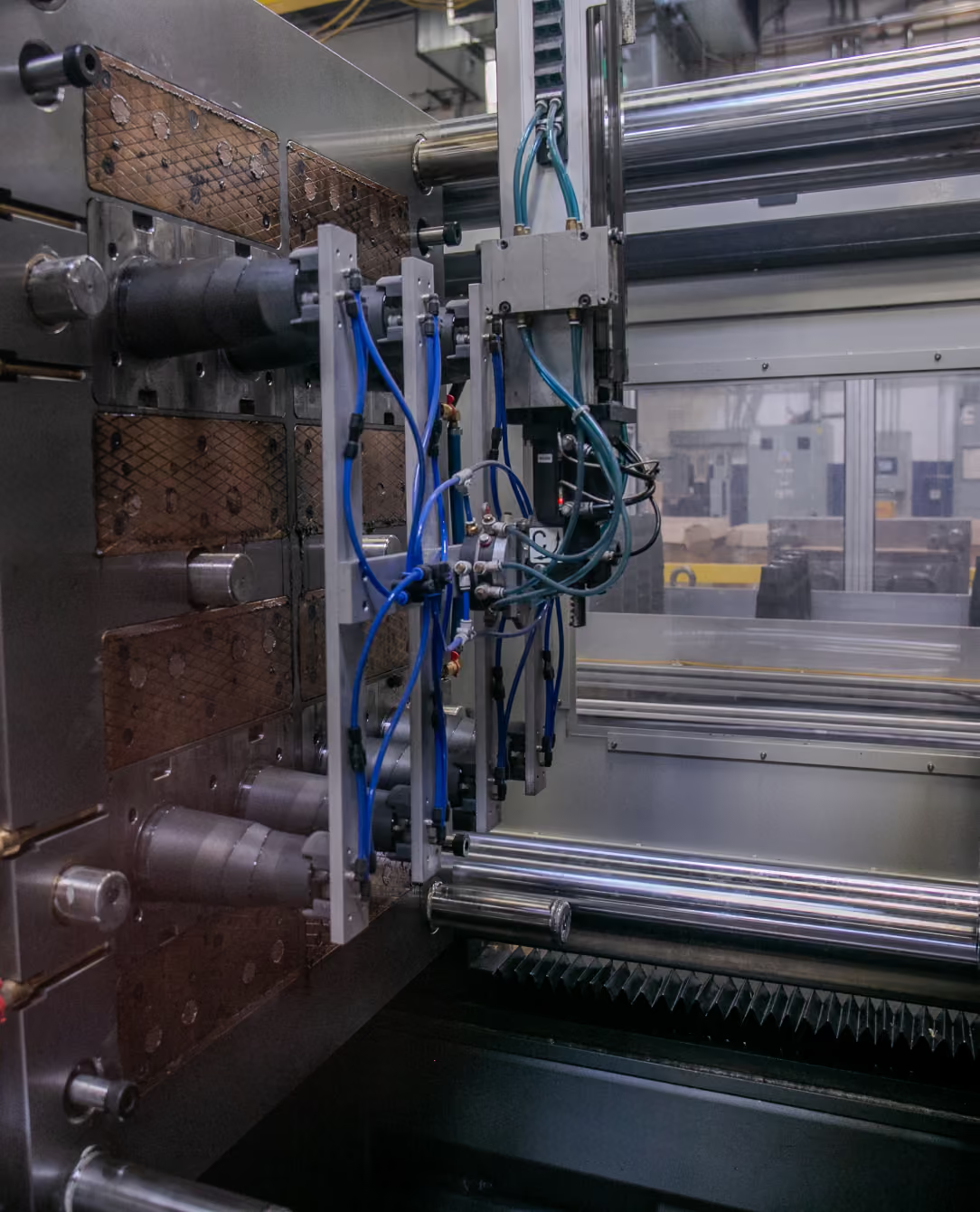

how we're different from a typical plastics vendor
Many vendors can offer molding. Many can coordinate with a toolmaker. Many can bring in automation support when needed. Far fewer are structurally built to align design, tooling, molding, automation, ongoing operations, and even total work cell advisory under one engineering-led system.
That distinction matters because fragmented execution creates familiar problems: toolmakers designing without enough visibility into production realities, molders inheriting tools that were not optimized for the environment they will run in, automation added too late to support the process cleanly, and no single source of accountability if performance problems surface.


Fewer handoffs
Design intent, tooling strategy, process development, and production planning stay more closely aligned across the life of the program.

Stronger accountability
One engineering-led system owns how the tool is built, how it runs, and how the program performs over time.

Cleaner, faster launches
Early manufacturability and tooling decisions are made with downstream validation and production requirements in view.

More stable transfers and recoveries
Tooling, process, and automation issues can be solved together instead of pushed between vendors.

Better lifecycle performance
Maintenance, optimization, quality discipline, and change control stay connected to the original engineering intent.
Where this model fits best
Integrated solutions are especially relevant for OEM programs where the cost of disruption is high, and the margin for error is low.
Typical fit includes medical, food and beverage, CPG, and industrial programs that involve validation pressure, audit requirements, complex or high-cavitation tooling, automation dependency, transfer risk, or long-term production accountability.
These are the programs where “integrated” should mean more than broad capability language. It should mean one connected system designed to improve continuity, accountability, and performance from concept through production.
Join Our Newsletter to Stay in Touch
Your information is secure and will never be shared. Privacy Policy