
Production systems designed for lifecycle performance
Uniphase is built for customers who need more than transactional molding capacity. We develop processes around lifecycle performance—beginning with product design input, tool strategy, tool build, validation, and the ability to keep a program running as volumes, designs, and regulatory expectations change.
This approach is strengthened by the integrated Uniphase system. When it benefits the program, customers can take advantage of continuous engineering support from early DFM and tooling through molding, automation, and long-term production support. And customers can still work with Uniphase as a standalone molding and operations partner. Integration is an option, not a requirement.
ISO
13485:2016
ISO
9001:2015
SQF Certification
Level 2
GMP
Certified
ISO
Class 8 Cleanroom

What customers count on us for
1
Engineering-led
Engineering-led operations grounded in scientific molding, DOE, and disciplined process development
2
In-house
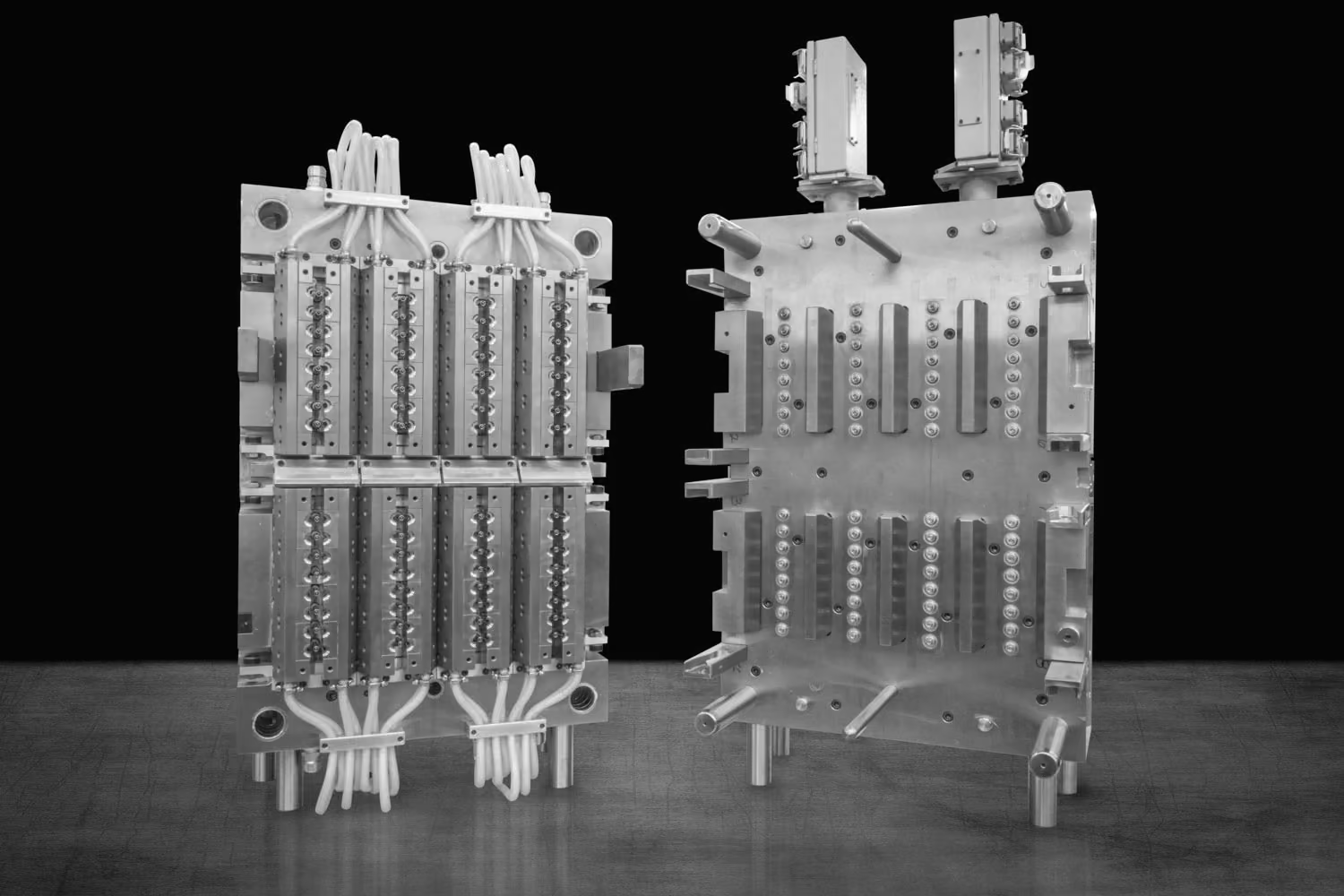
In-house tool-building capabilities and production support designed to keep engineering intent connected to plant-floor reality
3
Certified
Certified, audited environments that support medical, food and beverage, CPG, and other demanding programs
4
Automation
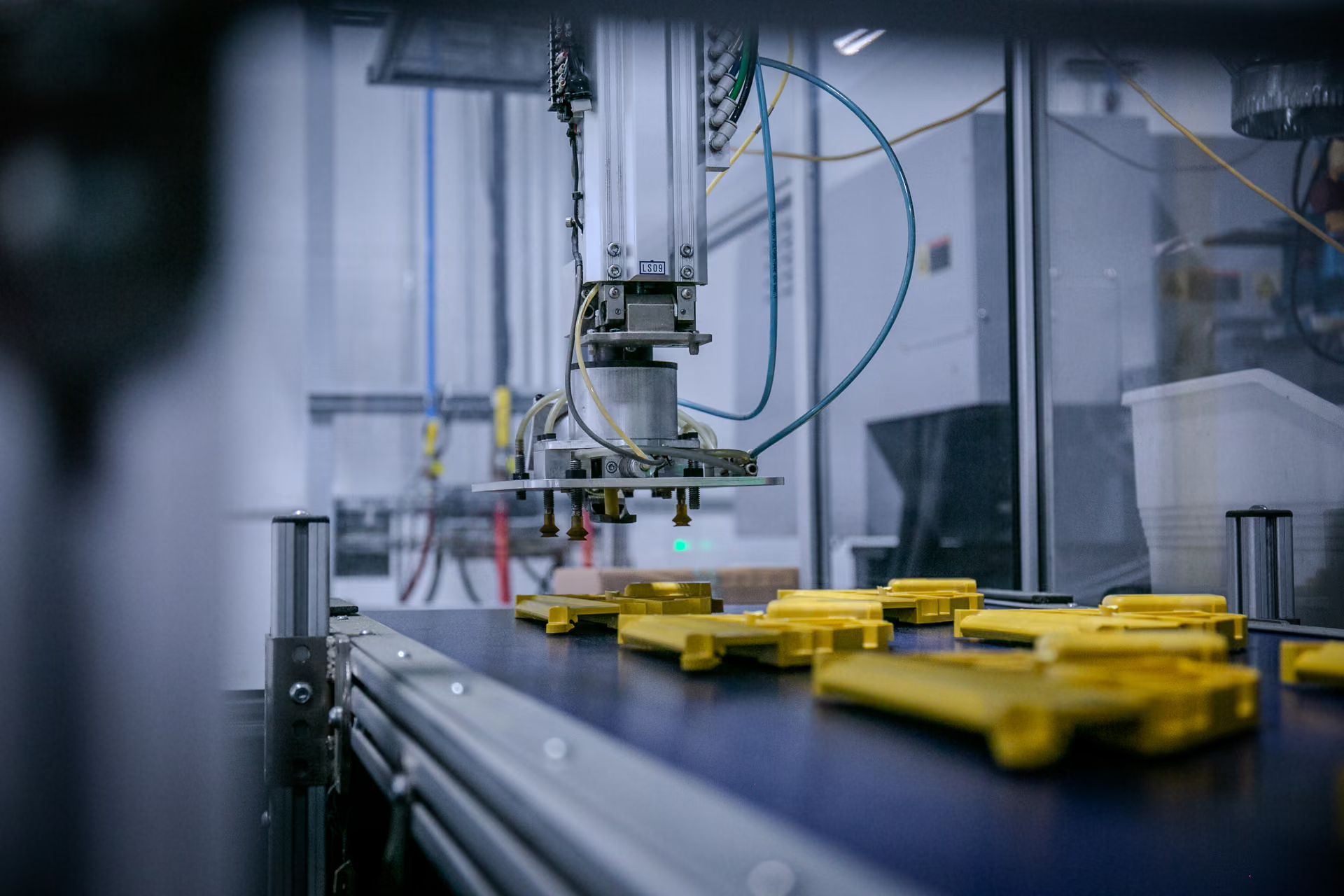
Automation and end-of-line thinking that protects uptime, labor, and quality
5
Transfer and Rescue
Transfer and rescue support when supply continuity, cost-per-unit, or process stability is under pressure
6
Lifecycle Support
Long-term lifecycle support for programs that need to keep running dependably, not just at launch
Uniphase's role in the lifecycle
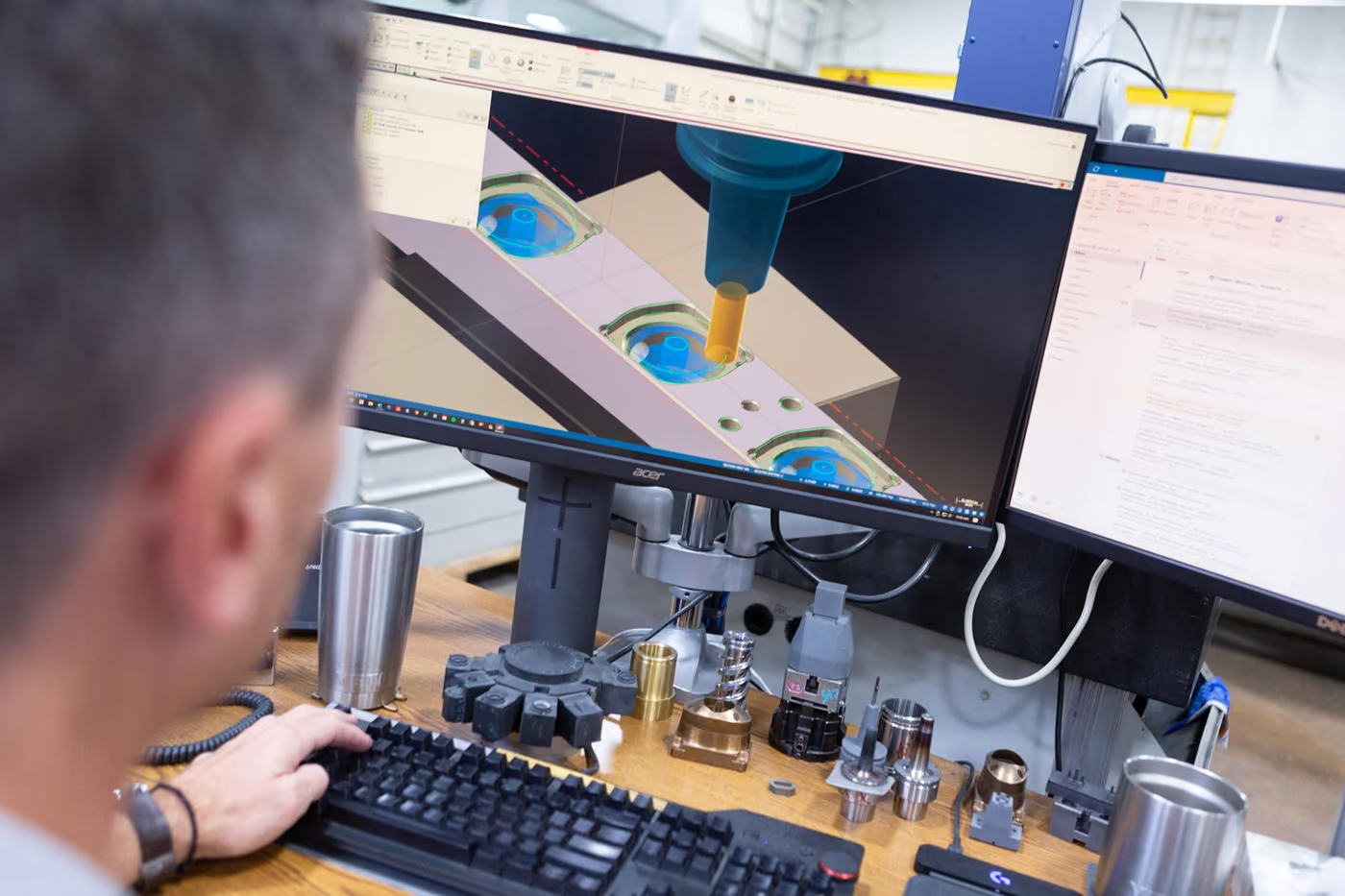
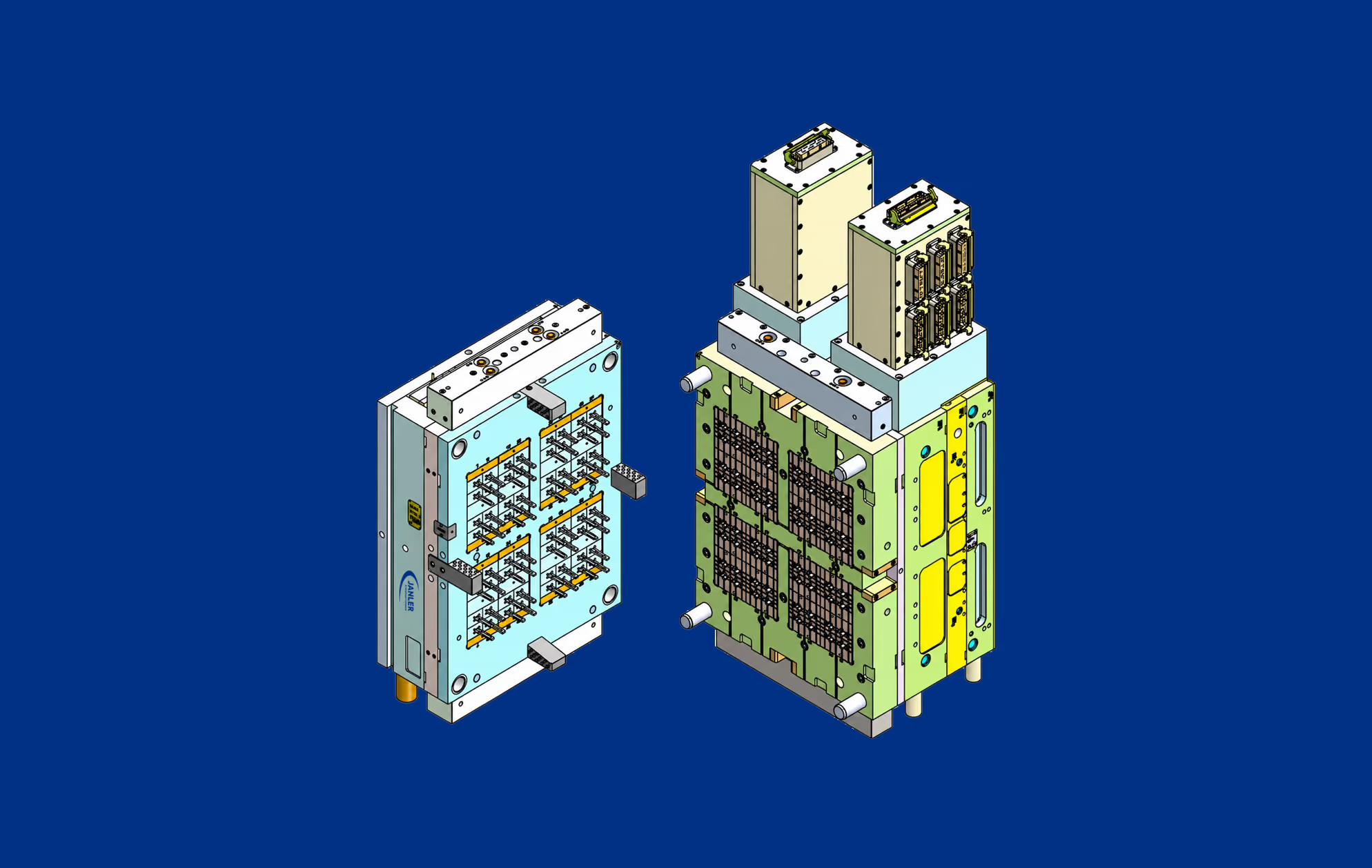
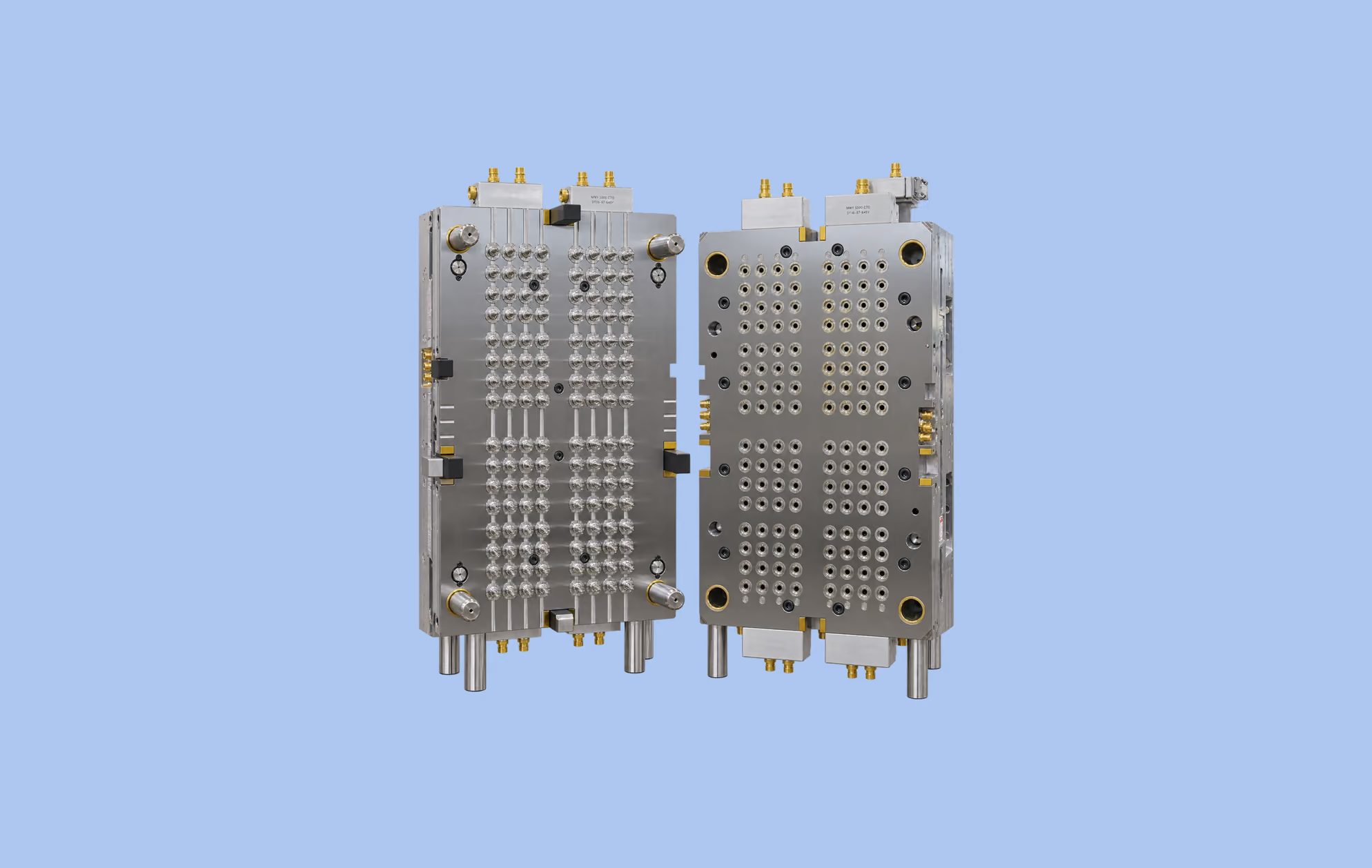
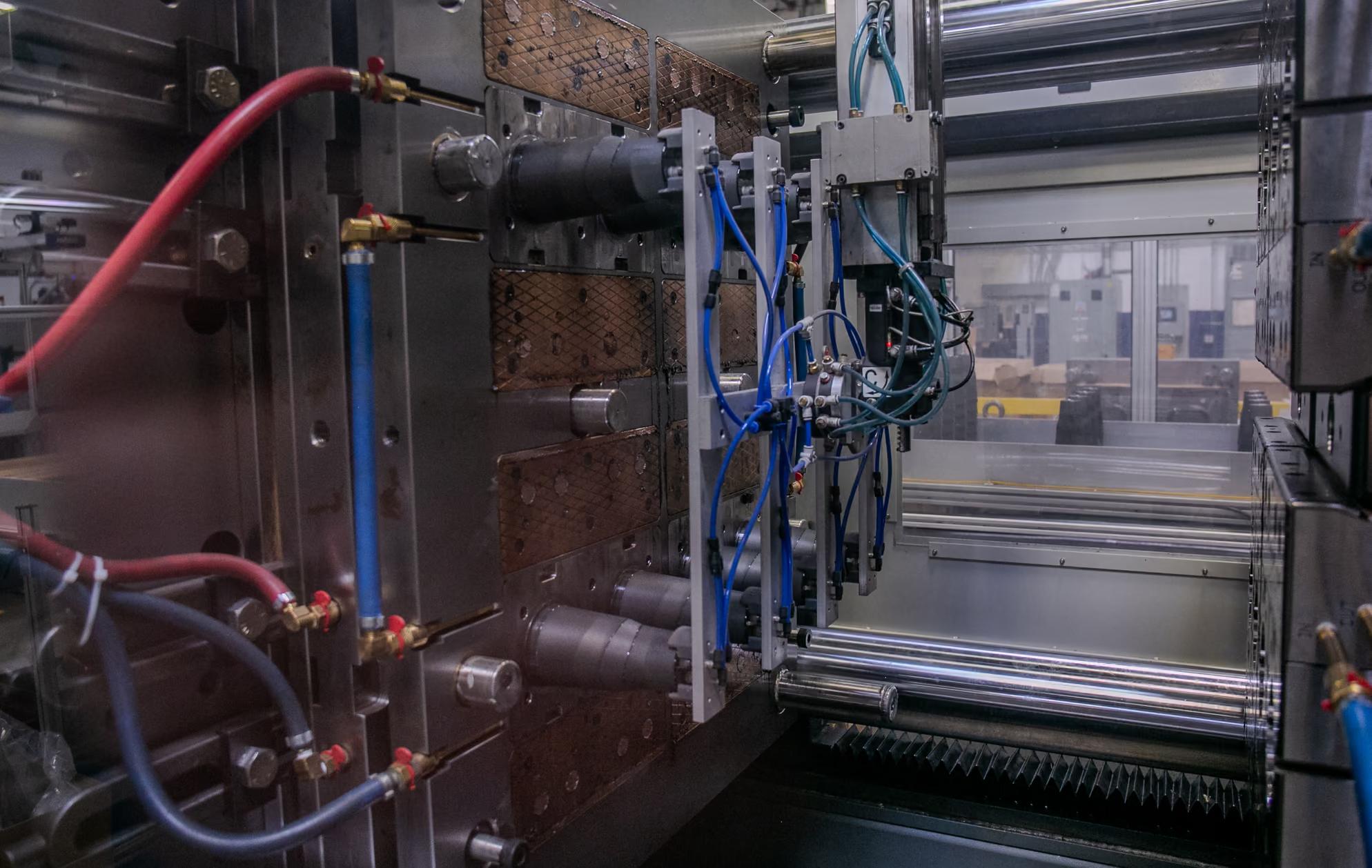
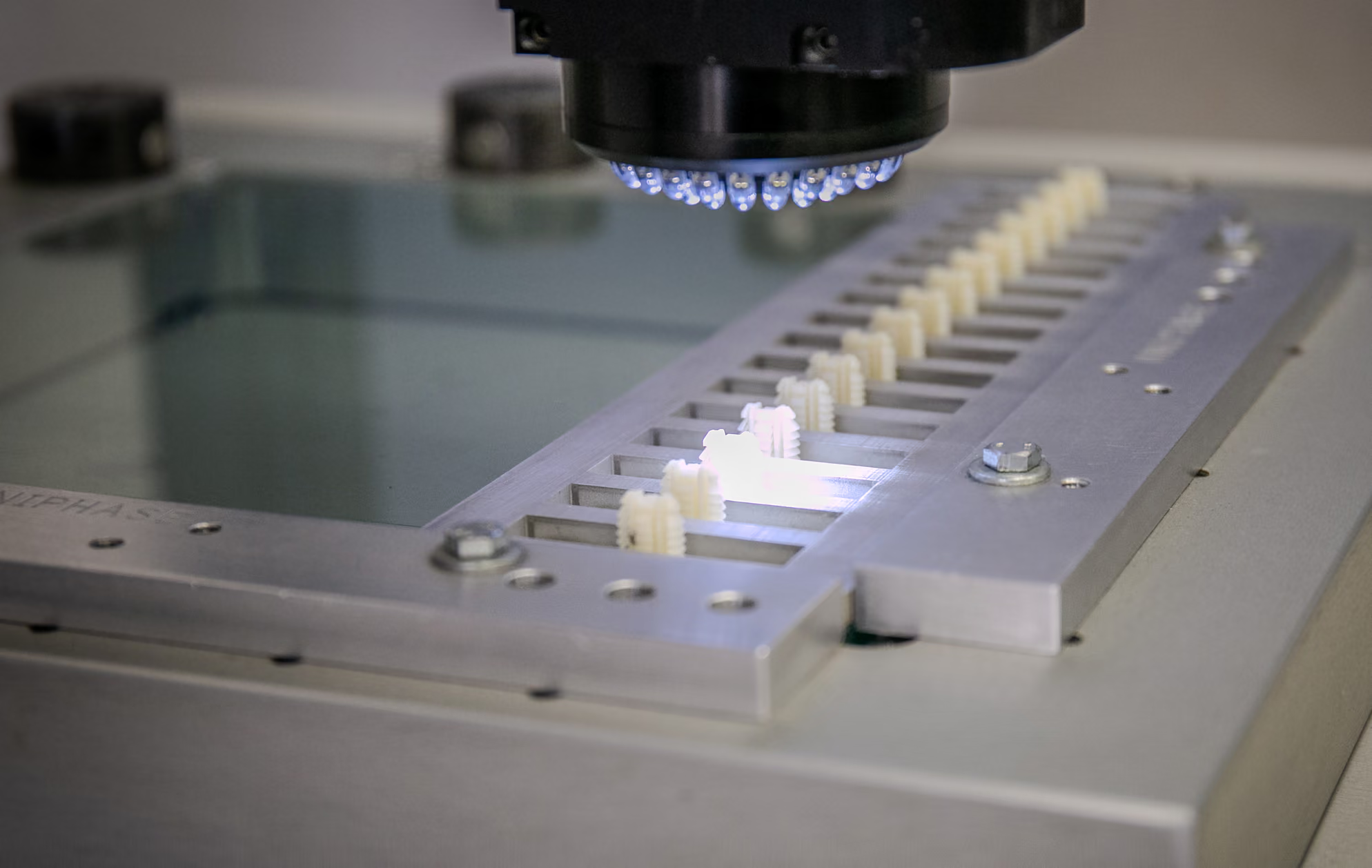
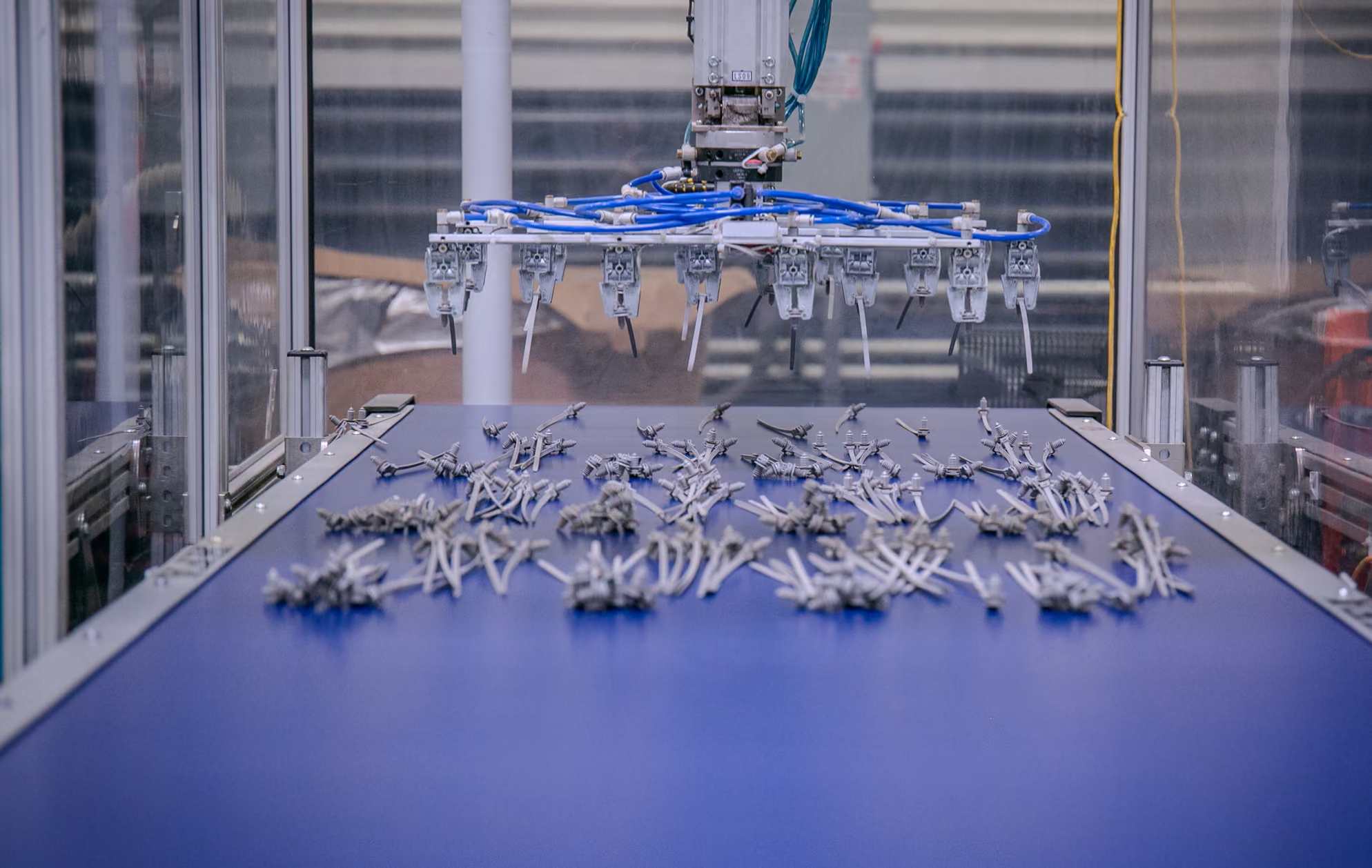
Our engineering ethos is evident in every program. When it comes to the upfront design of a product, we take the lead on product design input, DFM, and the development of high- performance tools; our team then takes those tools into validated molding, automation, and long-term production support for critical programs. We give OEMs an engineering-led path from first concept through tooling, process development, molding, and day-to-day operations— without requiring every program to use the full path when it is not needed.
For some customers, that means a tooling-only or molding-only program. For others— especially high-risk, regulated, or high-consequence programs—it means using the option to keep work under one continuous engineering thread, from tool design through line performance. When that option is used, OEMs gain a single source of accountability for design intent, tool construction, validation, and production, which simplifies launches, transfers, and ongoing change control.

Join Our Newsletter to Stay in Touch
Your information is secure and will never be shared. Privacy Policy